Theological & Canonical Directory Updated 2026 Guidelines

Religious Perspectives on Cremation & Ashes

Explore official doctrines, scriptural citations, and sacred burial rubrics across major world religions and Christian denominations. Compare permitted, preferred, and prohibited practices.

Roman Catholicism views on cremation and burial
Permitted with Conditions

Roman Catholicism

Catholic Tradition
Primary Source: Code of Canon Law Can. 1176 §3; Ad resurgendum cum Christo (2016)
Ashes Rule: Must be interred in consecrated ground (cemetery or columbarium); scattering or keeping urns at home is strictly forbidden.

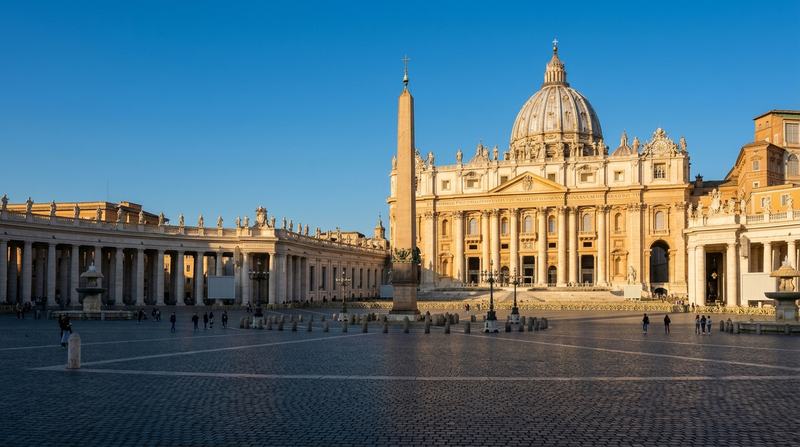
The Roman Catholic Church permits cremation provided it is not chosen to express disbelief in bodily resurrection. However, scattering ashes, dividing cremains, or keeping urns in private residences is strictly forbidden; remains must be interred in consecrated ground.
Eastern Orthodoxy views on cremation and burial
Strictly Prohibited

Eastern Orthodoxy

Eastern Orthodox
Primary Source: Holy Synod Encyclical on Cremation (Orthodox Church in America, 1972 & 2014); Greek Orthodox Archdiocese of America Directives
Ashes Rule: Strictly forbidden; Orthodox cemeteries do not inter cremains, and church funeral rites are denied to those who willfully choose cremation.

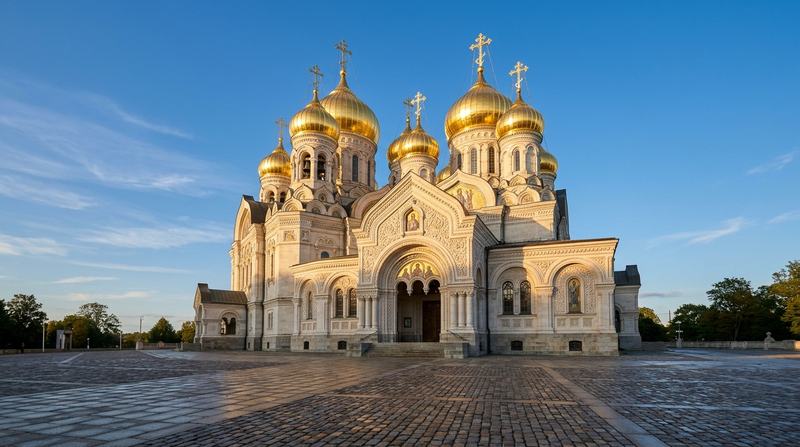
Eastern Orthodoxy strictly forbids cremation. In Orthodox theology, the body is a sanctified temple of the Holy Spirit destined for bodily resurrection; burning the body is considered desecration and denial of dogma. Orthodox priests are forbidden from conducting funerals over cremated remains.

Episcopal Church & Anglican Communion views on cremation and burial
Fully Permitted

Episcopal Church & Anglican Communion

Mainline Protestant
Primary Source: Book of Common Prayer (1979), 'The Burial of the Dead', p. 468, 491
Ashes Rule: Fully permitted; interment in parish columbaria, churchyard memorial gardens, or reverent scattering is customary.

The Episcopal Church and Anglican Communion fully permit cremation. Cremated remains are accorded equal dignity with an intact body, and many parishes maintain churchyard columbaria or memorial gardens specifically for the reverent placement or scattering of ashes.

Lutheranism (ELCA & LCMS) views on cremation and burial
Permitted

Lutheranism (ELCA & LCMS)

Mainline & Confessional
Primary Source: LCMS Commission on Theology and Church Relations (1985 Report: 'The Christian and Cremation'); Evangelical Lutheran Worship (ELW)
Ashes Rule: Permitted as a matter of Christian freedom; cemetery burial, columbarium placement, or respectful scattering is common.

Both the Evangelical Lutheran Church in America (ELCA) and the Lutheran Church—Missouri Synod (LCMS) permit cremation as a matter of Christian liberty. While traditional earth burial carries historical symbolism of Christ's entombment, cremation does not impede God's power to raise the dead.

Presbyterian & Reformed (PCUSA & PCA) views on cremation and burial
Fully Permitted

Presbyterian & Reformed (PCUSA & PCA)

Reformed Tradition
Primary Source: Presbyterian Church (USA) Book of Order (Directory for Worship W-4.10005)
Ashes Rule: Fully permitted; interment in cemeteries, memorial gardens, or scattering is widely accepted.

Presbyterian and Reformed traditions (PCUSA, PCA, CRC) fully permit cremation. Reformed doctrine affirms that God's sovereign covenant preserves the believer's identity in Christ, and bodily resurrection does not depend on the physical continuity of earthly matter.

United Methodism views on cremation and burial
Fully Permitted

United Methodism

Mainline Protestant
Primary Source: The United Methodist Book of Worship, 'A Service of Death and Resurrection', p. 86–103
Ashes Rule: Fully permitted; placement in church memorial gardens, columbaria, or scattering is common.

The United Methodist Church (UMC) fully permits cremation. In Methodist belief, burial or cremation is an honorable return of the body to the dust from which God created it, resting securely in the grace of Christ's resurrection.

Baptist & Evangelical Traditions views on cremation and burial
Permitted / Liberty

Baptist & Evangelical Traditions

Evangelical Protestant
Primary Source: Southern Baptist Convention (SBC) FAQs; National Association of Evangelicals Guidance
Ashes Rule: Permitted under Christian liberty; no restrictions on burying, keeping at home, or scattering ashes.

Baptists and non-denominational Evangelicals widely permit cremation as a matter of personal Christian liberty. While traditional earth burial remains culturally popular due to biblical precedent, scripture does not forbid cremation.

The Church of Jesus Christ of Latter-day Saints views on cremation and burial
Strongly Discouraged

The Church of Jesus Christ of Latter-day Saints

Restorationist
Primary Source: General Handbook: Serving in The Church of Jesus Christ of Latter-day Saints, Section 38.5.8 ('Burial and Cremation')
Ashes Rule: Earth burial strongly preferred; if cremated, endowed members must be dressed in temple clothing, and ashes should be respectfully interred.

The Church of Jesus Christ of Latter-day Saints strongly discourages cremation in favor of traditional earth burial, but does not strictly forbid it. If cremation occurs, deceased endowed members must be dressed in their sacred temple clothing prior to cremation.

Seventh-day Adventist Church views on cremation and burial
Permitted

Seventh-day Adventist Church

Adventist Tradition
Primary Source: Seventh-day Adventists Believe: An Exposition of the Fundamental Beliefs (Belief #26)
Ashes Rule: Permitted; no ritual restrictions on burial, columbaria, or scattering.

Seventh-day Adventists permit cremation. Adventist theology teaches that in death the soul is in an unconscious 'sleep' until the Second Coming, when Christ will recreate and resurrect the faithful by His omnipotent voice.

Jehovah's Witnesses views on cremation and burial
Permitted

Jehovah's Witnesses

Restorationist
Primary Source: The Watchtower, 'Questions From Readers: Does the Bible Forbid Cremation?'
Ashes Rule: Permitted; matter of individual conscience with no biblical restrictions on burial or scattering.

Jehovah's Witnesses permit cremation as an individual conscience decision. Watchtower doctrine holds that Jehovah retains a complete memory of the person and will recreate them in the earthly resurrection.

Orthodox Judaism views on cremation and burial
Strictly Prohibited

Orthodox Judaism

Rabbinic Judaism
Primary Source: Shulchan Aruch, Yoreh De'ah 362; Talmud Bavli, Sanhedrin 46b
Ashes Rule: Strictly prohibited; Orthodox cemeteries will not bury cremains, and rabbis do not officiate over cremation.

Orthodox Judaism strictly prohibits cremation under Halakha (Jewish Law). The human body belongs to God and must be returned intact to the earth through natural burial (Kevurah). Cremation is considered desecration (Nivul HaMet), and Orthodox rabbis do not officiate at cremation services.

Conservative Judaism views on cremation and burial
Strongly Discouraged

Conservative Judaism

Rabbinic Judaism
Primary Source: Rabbinical Assembly CJLS Responsum: 'Cremation and Jewish Tradition'
Ashes Rule: Strongly discouraged in favor of earth burial; rabbis offer pastoral care, and cemetery urn burial is permitted.

Conservative Judaism strongly discourages cremation and maintains that traditional earth burial is the binding Halakhic standard. However, rabbis may officiate at pre-cremation funeral services, and many Conservative cemeteries accommodate family requests to bury cremains.

Reform & Reconstructionist Judaism views on cremation and burial
Fully Permitted

Reform & Reconstructionist Judaism

Progressive Judaism
Primary Source: Central Conference of American Rabbis (CCAR) Responsa #5746.2
Ashes Rule: Fully permitted; no religious restrictions on cemetery interment, columbaria, or scattering.

Reform and Reconstructionist Judaism permit cremation as a legitimate personal, ethical, and environmental choice. Reform rabbis regularly officiate at cremation memorial services, and Reform cemeteries accommodate urn burials.

Sunni Islam views on cremation and burial
Strictly Prohibited (Haram)

Sunni Islam

Sunni Tradition
Primary Source: Sunan Abi Dawud 3207; Sahih al-Bukhari 3016; Permanent Committee for Scholarly Research and Ifta (Fatwa #304)
Ashes Rule: Strictly forbidden (Haram); Islamic cemeteries refuse cremains, and Janazah prayers cannot be performed over ashes.

In Sunni Islam, cremation is strictly forbidden (Haram) by unanimous scholarly consensus (Ijma). The human body belongs to Allah and retains inviolable dignity in death; burning with fire is an affront to human dignity and a punishment reserved for Allah alone. Rapid whole-body burial is an urgent religious obligation.

Shia Islam views on cremation and burial
Strictly Prohibited (Haram)

Shia Islam

Ja'fari Tradition
Primary Source: Islamic Laws of Grand Ayatollah Sayyid Ali al-Hussaini al-Sistani (Ruling 542–620)
Ashes Rule: Strictly forbidden (Haram); full earth burial is mandatory and cremated remains are rejected.

In Shia Islam (Ja'fari jurisprudence), cremation is strictly prohibited (Haram). The human body possesses inviolable sacred sanctity (Hurmah) that persists after death. Full-body earth burial facing Mecca is a mandatory obligation.

Hinduism (Sanatana Dharma) views on cremation and burial
Prescribed / Preferred

Hinduism (Sanatana Dharma)

Vedic / Sanatana Dharma
Primary Source: Rigveda Mandala 10, Hymn 16; Bhagavad Gita 2:22; Garuda Purana Preta Khanda
Ashes Rule: Mandatory and sacred; ashes (Asthi) must be immersed in running sacred water (Asthi Visarjan) such as the Ganges or ocean.

In Hinduism, cremation (Antyesti) is the normative, sacred, and religiously prescribed rite of passage. Sacred fire (Agni) releases the eternal soul (Atman) from attachment to the physical body and returns the five elements to nature, enabling the soul's journey toward rebirth or Moksha.

Buddhism views on cremation and burial
Preferred / Permitted

Buddhism

Buddhist Traditions
Primary Source: Mahaparinibbana Sutta (Digha Nikaya 16); Tibetan Book of the Dead (Bardo Thodol)
Ashes Rule: Preferred practice; ashes may be interred in temple columbaria, placed in stupas, or scattered.

Cremation is the preferred and traditional method of disposition across Theravada, Mahayana, and Vajrayana Buddhism, following the historical example of Gautama Buddha. The body is viewed as a temporary vessel; cremation reinforces the central Buddhist truths of impermanence (Anicca) and non-self (Anatta).

Sikhism (Gurmat) views on cremation and burial
Prescribed / Preferred

Sikhism (Gurmat)

Sikh Tradition
Primary Source: Sikh Rehat Maryada, Section Four, Chapter XI; Guru Granth Sahib Ang 648
Ashes Rule: Prescribed practice; ashes are scattered in flowing water or the sea; erecting shrines or grave monuments is forbidden.

In Sikhism, cremation (Antam Sanskar or Saskar) is the normative and preferred method of disposition. Sikh teachings emphasize that the soul merges with the Divine (Waheguru) upon death; the physical body is merely dust returning to dust without superstitious mourning.

Jainism views on cremation and burial
Prescribed / Mandatory

Jainism

Dharmic Tradition
Primary Source: Tattvartha Sutra Chapter 2; Acharanga Sutra
Ashes Rule: Mandatory practice; ashes are dispersed in natural waterways or buried in clean ground.

In Jainism, cremation is the mandatory religious method of final disposition. Guided by the supreme vow of Ahimsa (non-violence), cremation is performed promptly within 24 hours to prevent microscopic organisms from generating and dying in the decomposing physical body.

Bahá'í Faith views on cremation and burial
Strictly Prohibited

Bahá'í Faith

Bahá'í Tradition
Primary Source: The Kitáb-i-Aqdas (The Most Holy Book), verses 122–124
Ashes Rule: Strictly forbidden by scriptural commandment; full-body burial in the earth is mandatory.

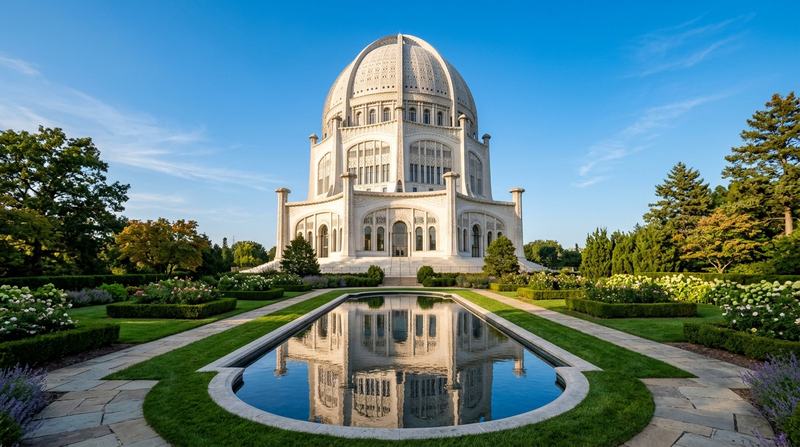
The Bahá'í Faith strictly prohibits cremation. Bahá'í scripture commands that the body be treated with great dignity and buried in the earth in a casket of crystal, stone, or hard wood, within one hour's travel time from the place of death.

Unitarian Universalism & Secular / Humanist views on cremation and burial
Fully Permitted

Unitarian Universalism & Secular / Humanist

Humanist / Liberal Tradition
Primary Source: Unitarian Universalist Association (UUA) Principles & Humanist Values
Ashes Rule: Fully permitted; complete freedom for family choice including scattering, memorial reefs, and home placement.

Unitarian Universalism and secular humanism fully embrace cremation, green burial, alkaline hydrolysis (aquamation), and natural organic reduction (human composting). End-of-life decisions are rooted in individual autonomy, celebration of the human journey, and environmental stewardship.

Understanding Faith Perspectives on Cremation & Burial

1. Resurrection & Bodily Sanctity

Traditions that prohibit cremation (such as Eastern Orthodoxy, Islam, and Orthodox Judaism) view the human body as an inviolable creation of God that belongs to the Creator. In these faiths, physical earth burial (Kevurah or Dafn) is commanded, and burning or destroying the body is regarded as an act of desecration.

2. Christian Liberty & Covenant Grace

Most Protestant bodies (including Anglican, Lutheran, Presbyterian, Methodist, and Evangelical churches) teach that bodily resurrection is an act of sovereign divine power, not constrained by biological preservation. Whether a body decomposes in soil or turns to ash in fire, God reconstitutes the believer at the Last Day.

3. Catholic Sacramental Balance

The Roman Catholic Church has permitted cremation since 1963 (Piam et providam), provided it does not express disbelief in the resurrection. However, Vatican instructions strictly require that cremains be buried in consecrated ground or interred in a columbarium; scattering ashes or keeping urns in private homes remains forbidden.

4. Dharmic Fire & Release of the Soul

In Hinduism, Buddhism, Sikhism, and Jainism, cremation (Antyesti or Saskar) is the sacred or preferred rite. Fire (Agni) serves as a spiritual vehicle to release the eternal soul (Atman or consciousness) from transient physical attachment, returning the five cosmic elements to nature.

Find Local Cremation Providers Respecting Your Faith Compare direct cremation pricing, family-owned providers, and certified crematory facilities in your community.