Alabama requires a 24-hour mandatory waiting period following death before cremation can proceed. Alkaline hydrolysis (water cremation) was legalized in 2021 under state regulatory updates.
Explore mandatory waiting cooling periods, county medical examiner cremation permit fees, next-of-kin signing rights, and alkaline hydrolysis (water cremation) legalization status across all 50 states and Washington, D.C.
Alabama requires a 24-hour mandatory waiting period following death before cremation can proceed. Alkaline hydrolysis (water cremation) was legalized in 2021 under state regulatory updates.
Alaska mandates a 24-hour waiting period. Alkaline hydrolysis is not currently authorized under Alaska mortuary statutes.
Arizona enacted landmark legislation in 2022 legalizing alkaline hydrolysis. A standard 24-hour waiting period and signed medical certificate of death are required.
Arkansas enforces a 24-hour waiting interval and county coroner cremation authorization. Alkaline hydrolysis legislation has been introduced for committee review.
California is a pioneer in eco-friendly dispositions, having legalized alkaline hydrolysis (AB 967) in 2020 and Human Composting / Terramation (AB 351) taking effect in 2027.
Colorado was one of the earliest states to legalize alkaline hydrolysis in 2011. Colorado also legalizes Natural Organic Reduction (human composting).
Connecticut enforces a strict 48-hour mandatory waiting period and a $150 Chief Medical Examiner cremation certificate requirement.
Delaware requires a 24-hour waiting period and Division of Forensic Science medical examiner approval.
Washington, D.C. has no fixed statutory hourly waiting period, but every cremation requires death certificate registration and formal approval from the Office of the Chief Medical Examiner (OCME). Alkaline hydrolysis legislation (Act A26-0422) was signed in October 2026 and is undergoing congressional review.
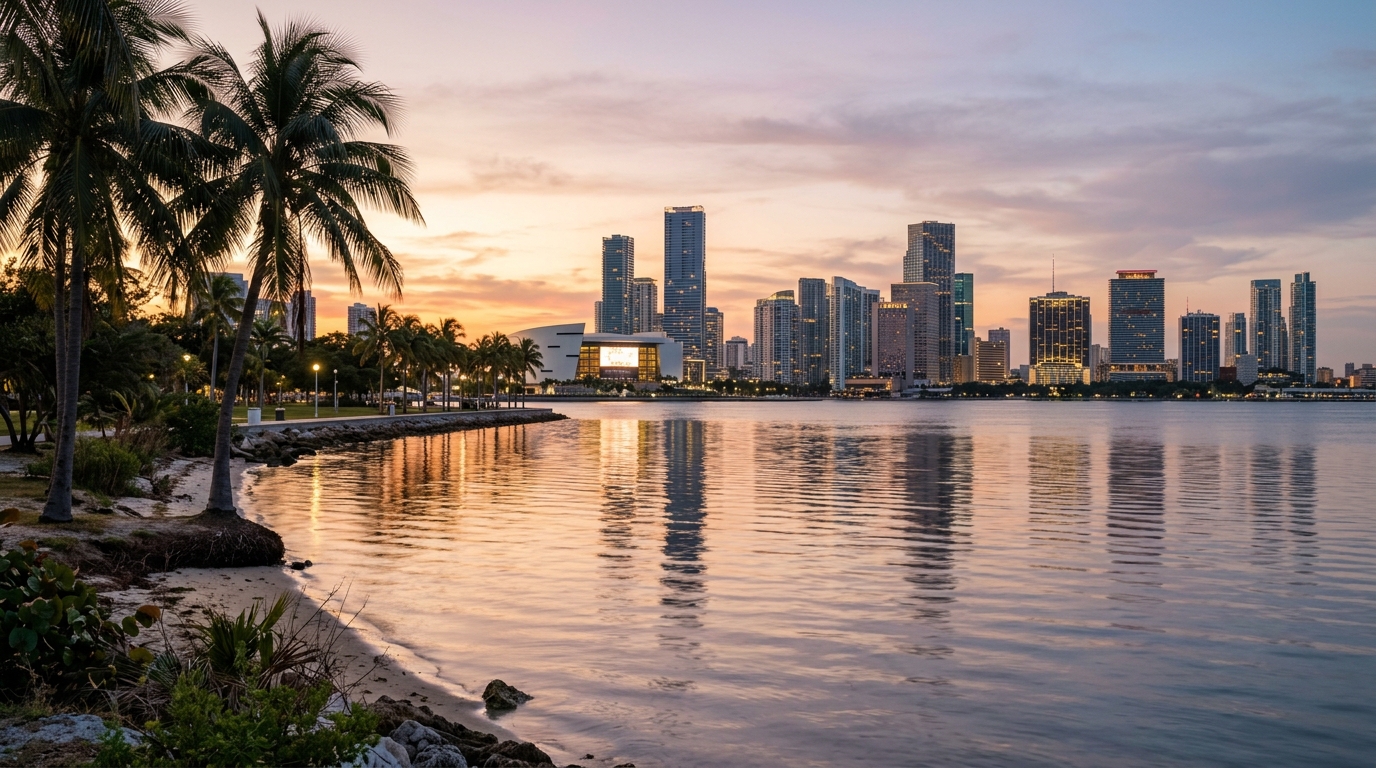
Florida mandates a 48-hour waiting period following death. District Medical Examiner approval is required before cremation or alkaline hydrolysis.
Georgia allows cremation once the death certificate is signed and county coroner authorization is granted. Alkaline hydrolysis is permitted.
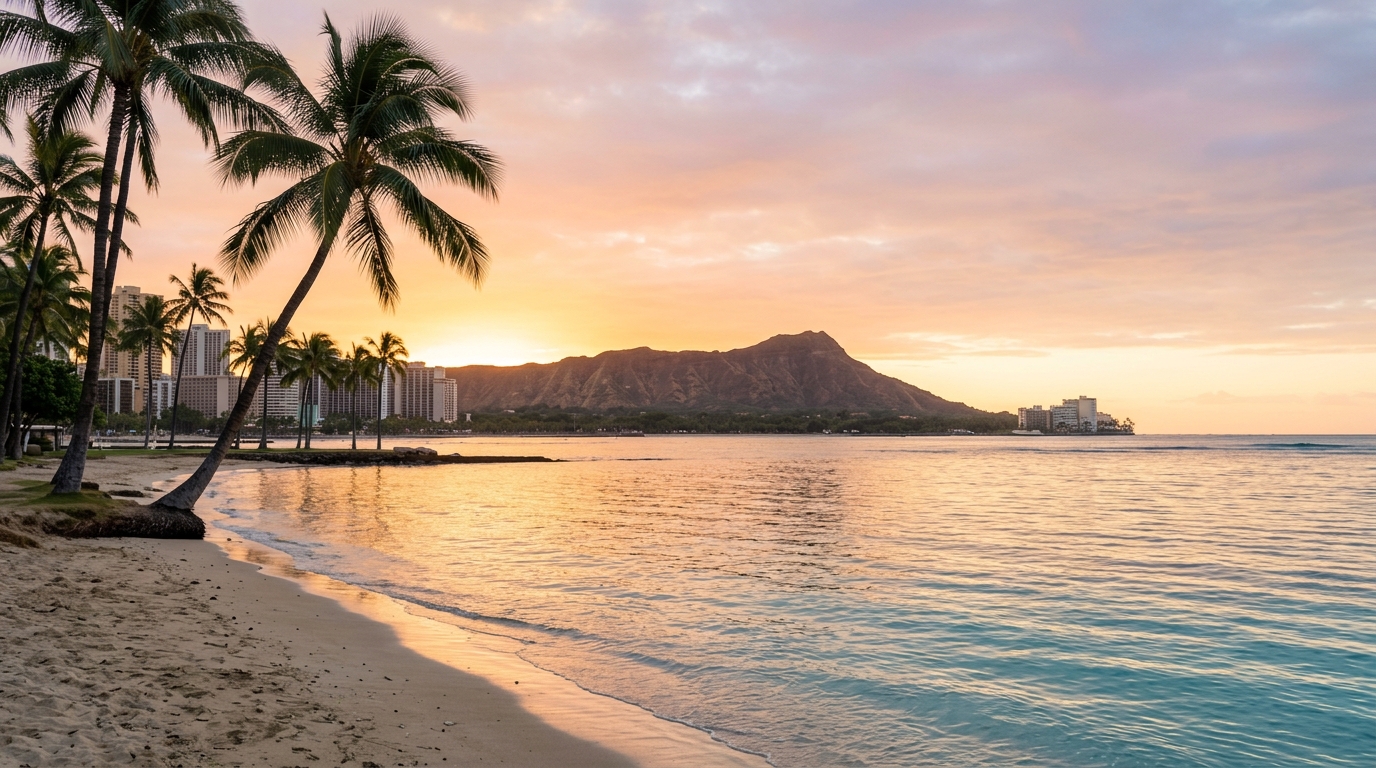
Hawaii has high cremation rates and legalizes alkaline hydrolysis. Respectful cultural traditions and ocean scattering are common.
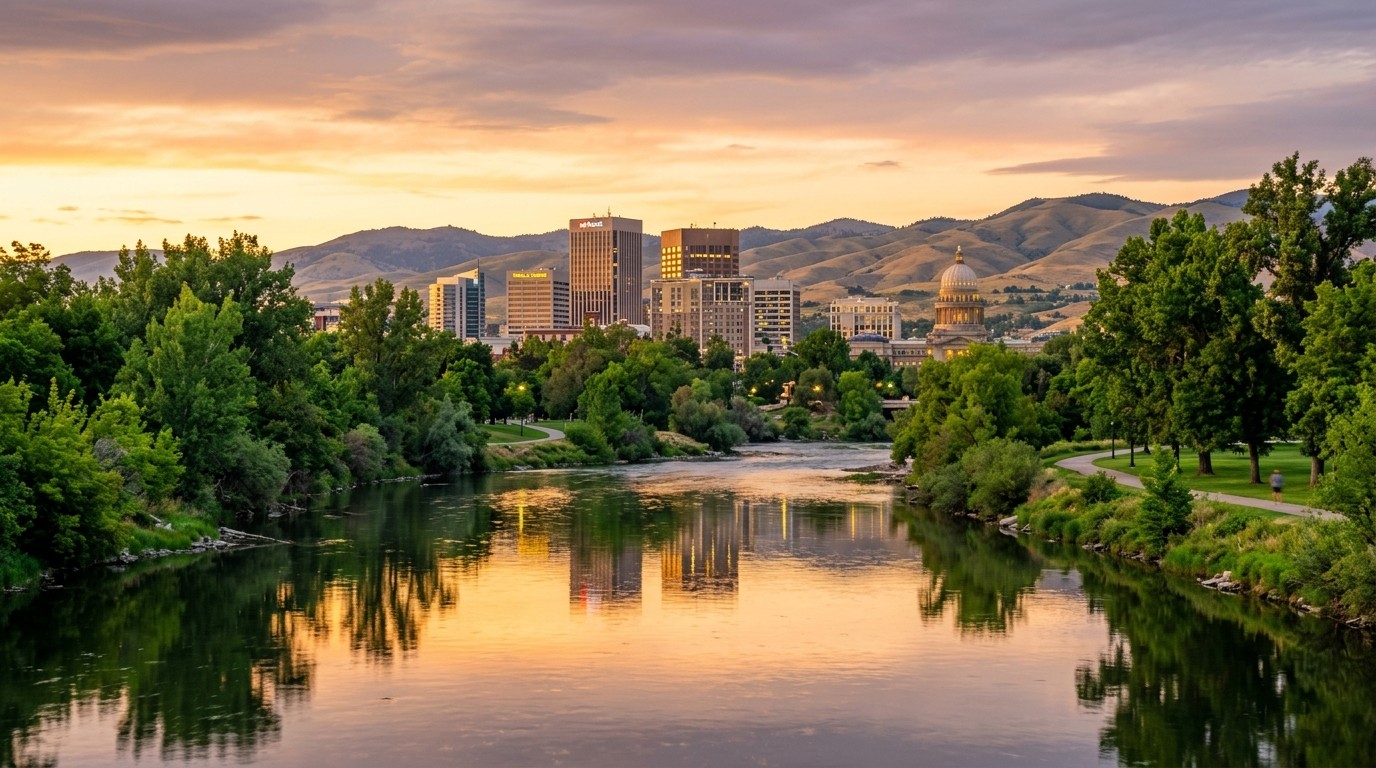
Idaho requires a 24-hour waiting period. Alkaline hydrolysis is legal and recognized under state licensing boards.
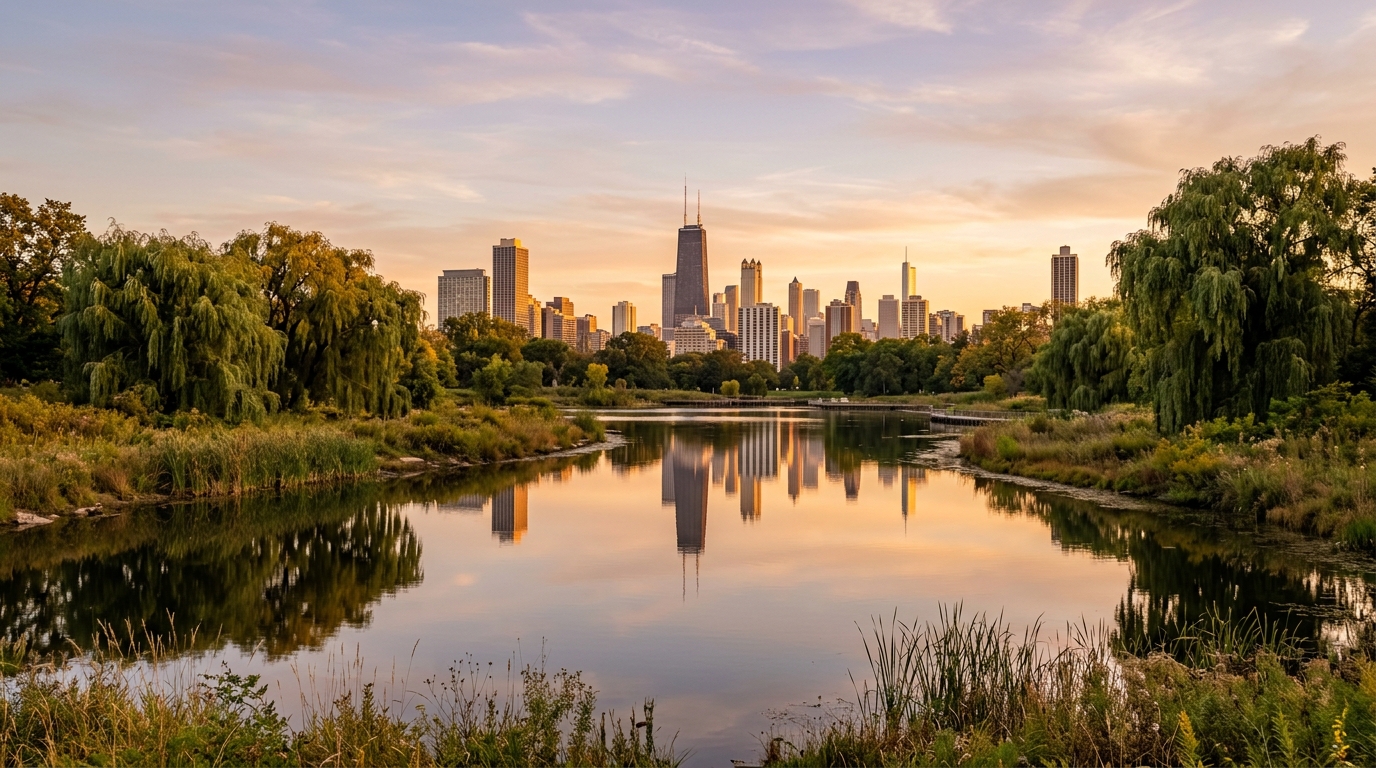
Illinois was one of the earliest adopters of alkaline hydrolysis in 2012. Cook County and surrounding counties require county coroner permits.
Indiana enforces a mandatory 48-hour cooling period. Alkaline hydrolysis is not currently authorized under Indiana code.
Iowa requires County Medical Examiner cremation approval ($75 state standard). Aquamation legislation has been proposed.
Kansas authorized alkaline hydrolysis in 2011. A county coroner cremation permit is required prior to disposition.
Kentucky requires a 24-hour waiting period and county coroner sign-off before cremation.
Louisiana requires a 24-hour waiting period and parish coroner permit. Alkaline hydrolysis is authorized by law.
Maine was among the very first states to legalize alkaline hydrolysis in 2009. A 48-hour waiting period and $15 state ME permit are required.
Maryland allows cremation once death is registered and permits alkaline hydrolysis. Family authorization hierarchy follows statutory descent.
Massachusetts enforces a mandatory 48-hour cooling period and a $200 Chief Medical Examiner certificate fee.
Michigan requires a 48-hour cooling period and county medical examiner approval. A designated "Funeral Representative" takes precedence over surviving relatives.

Minnesota was the pioneer state for alkaline hydrolysis in the United States, utilizing Mayo Clinic aquamation technology since 2003.
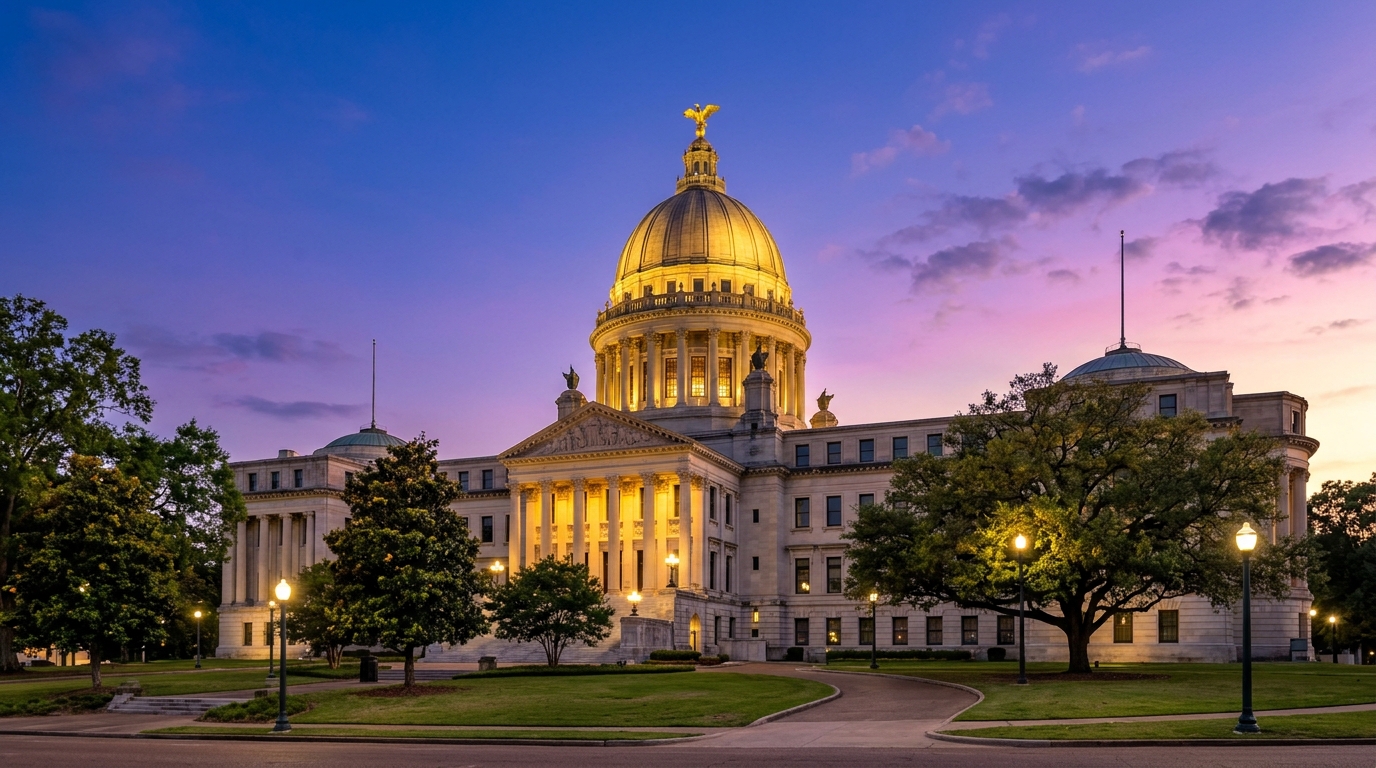
Mississippi requires a 24-hour cooling period and county medical examiner clearance.
Missouri permits alkaline hydrolysis and does not have a rigid hourly waiting interval once death certification is verified.
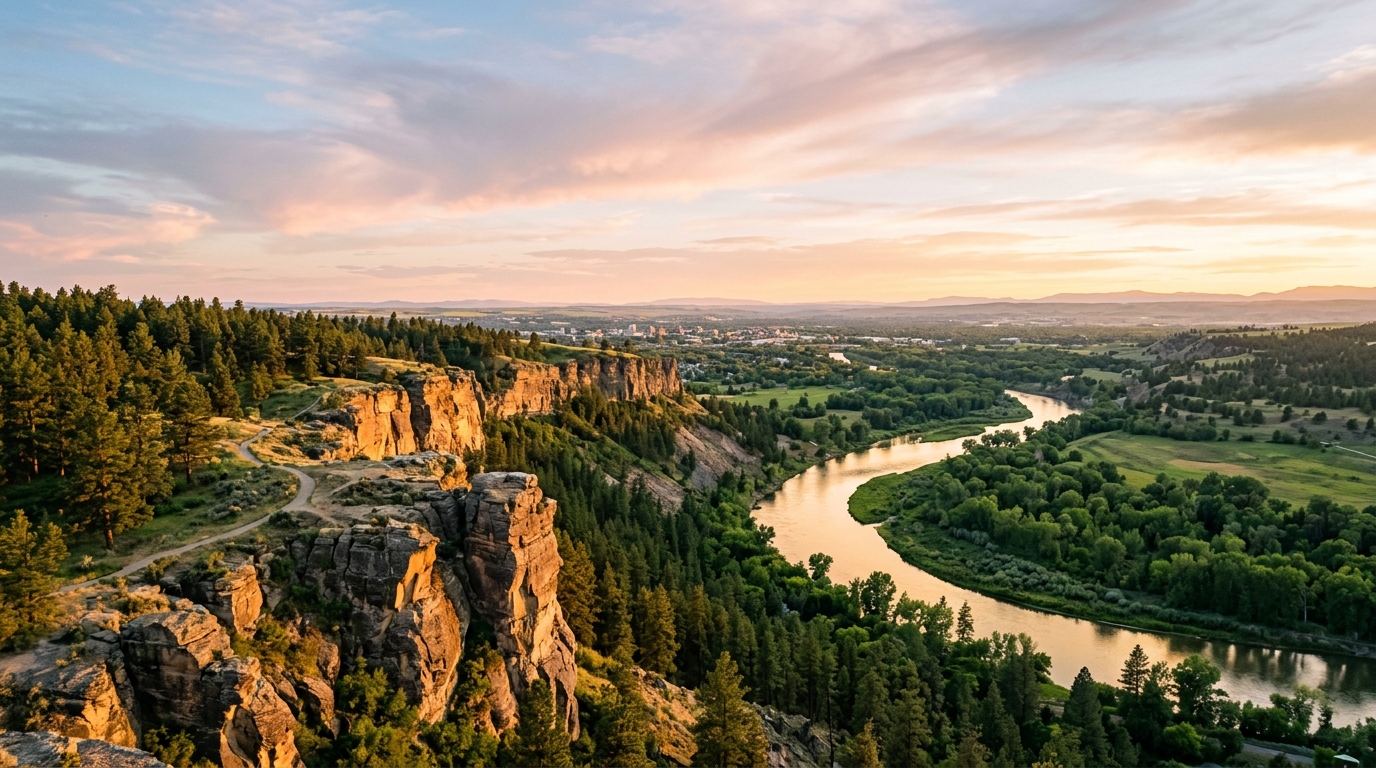
Montana allows cremation once the death certificate and coroner cremation permit are finalized.
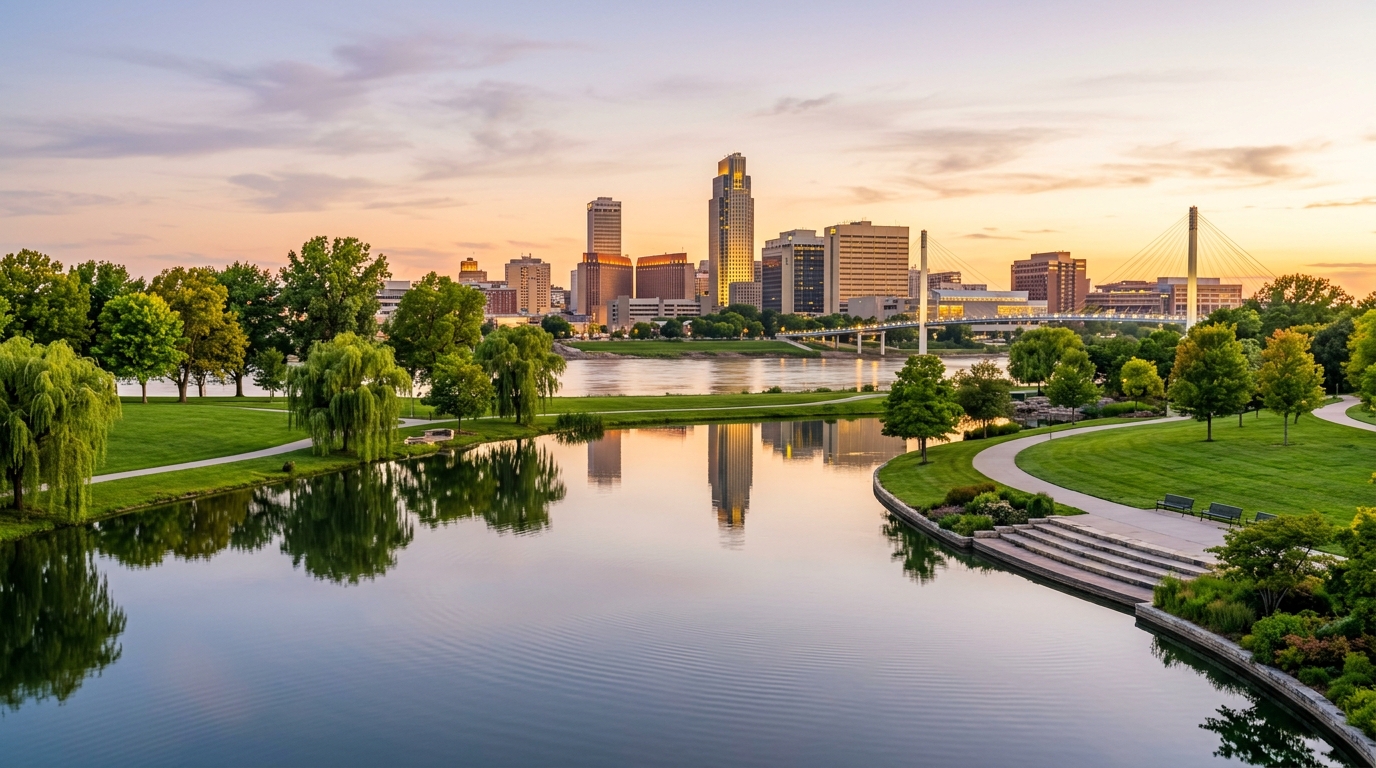
Nebraska mandates a 48-hour waiting period before cremation can proceed. County attorney/coroner cremation approval required.
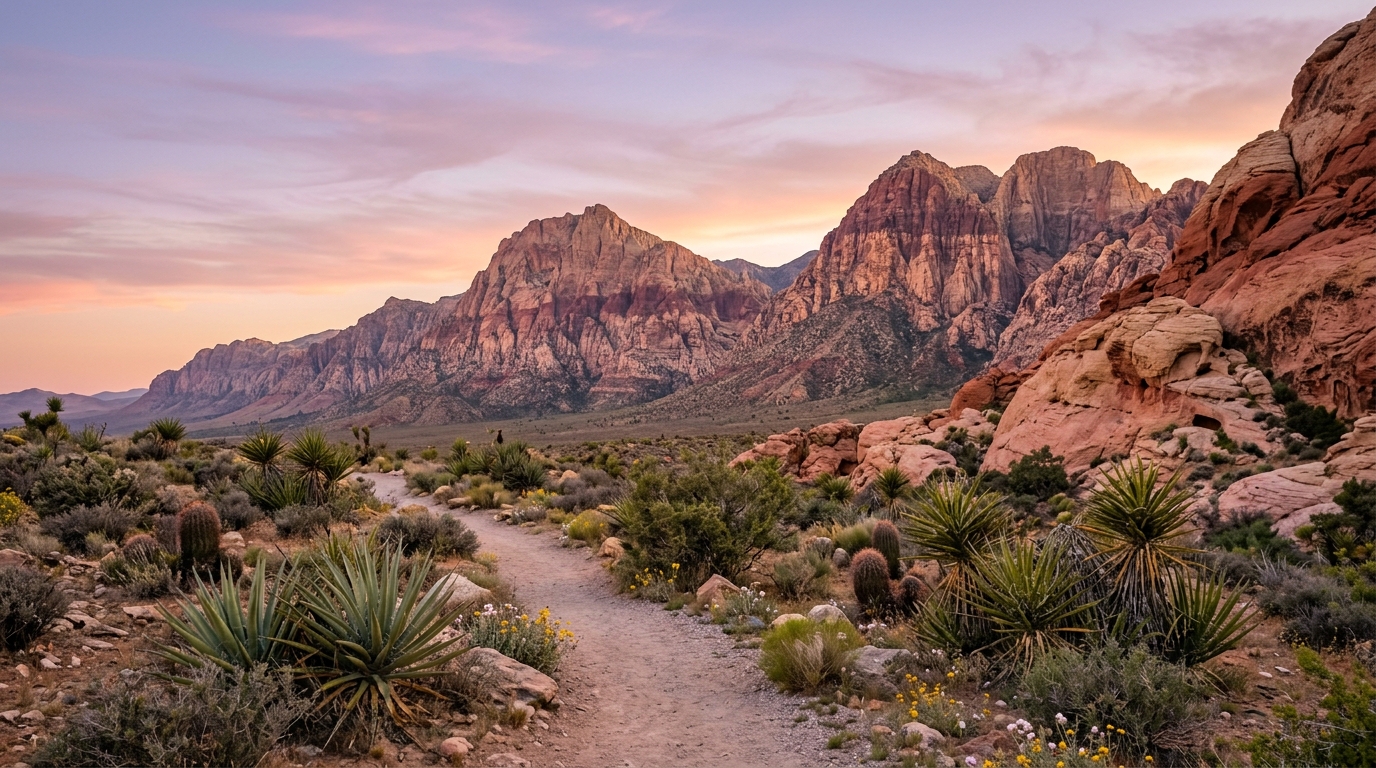
Nevada legalized alkaline hydrolysis in 2017. Clark and Washoe counties require county coroner cremation sign-off.
New Hampshire enforces a mandatory 48-hour waiting period and $60 Medical Examiner cremation certificate requirement.
New Jersey mandates a 24-hour waiting period and burial-cremation permit from the local registrar.
New Mexico does not mandate an hourly cooling period. An Office of the Medical Investigator (OMI) cremation permit is required.
New York allows individuals to designate an authorizing agent via Form DOH-5211. Human composting was legalized in 2022; alkaline hydrolysis legislation is currently under review.
North Carolina requires a 24-hour waiting period and $50 Medical Examiner cremation permit. Alkaline hydrolysis was legalized in 2018.
North Dakota legalized alkaline hydrolysis in 2019. County coroner cremation approval required.
Ohio mandates a 24-hour waiting period following death and county coroner cremation permit approval.
Oklahoma requires a $150 State Chief Medical Examiner cremation permit and legalized alkaline hydrolysis in 2021.
Oregon is an environmentally progressive leader in death care, legalizing alkaline hydrolysis in 2009 and human composting in 2021.
Pennsylvania requires a 24-hour cooling interval and county coroner cremation authorization.
Rhode Island enforces a 24-hour waiting period and $30 State Medical Examiner cremation approval fee.
South Carolina mandates a 24-hour cooling period and signed county coroner cremation permit.
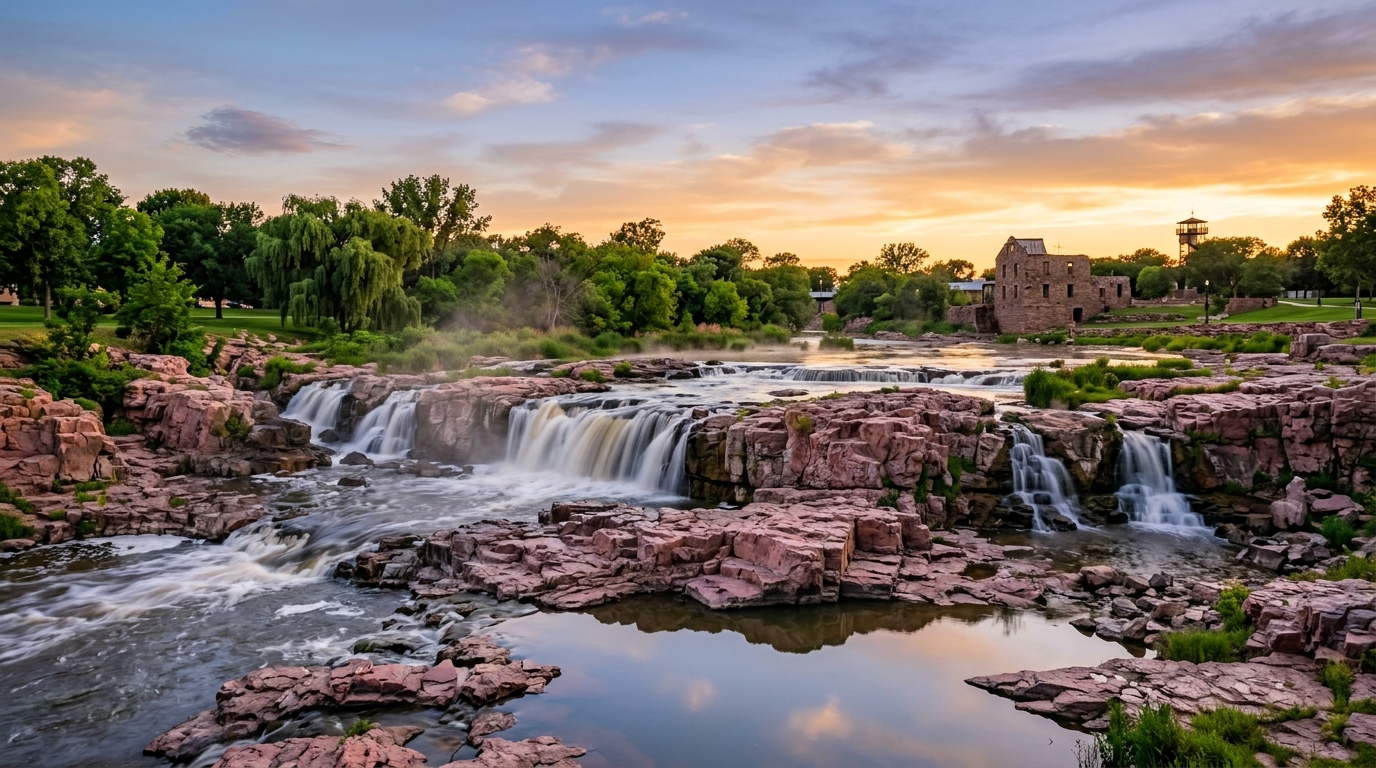
South Dakota does not enforce a rigid hourly waiting period once death certificate is certified by attending physician.
Tennessee authorized alkaline hydrolysis in 2013 under State Board regulations. County medical examiner approval is required.

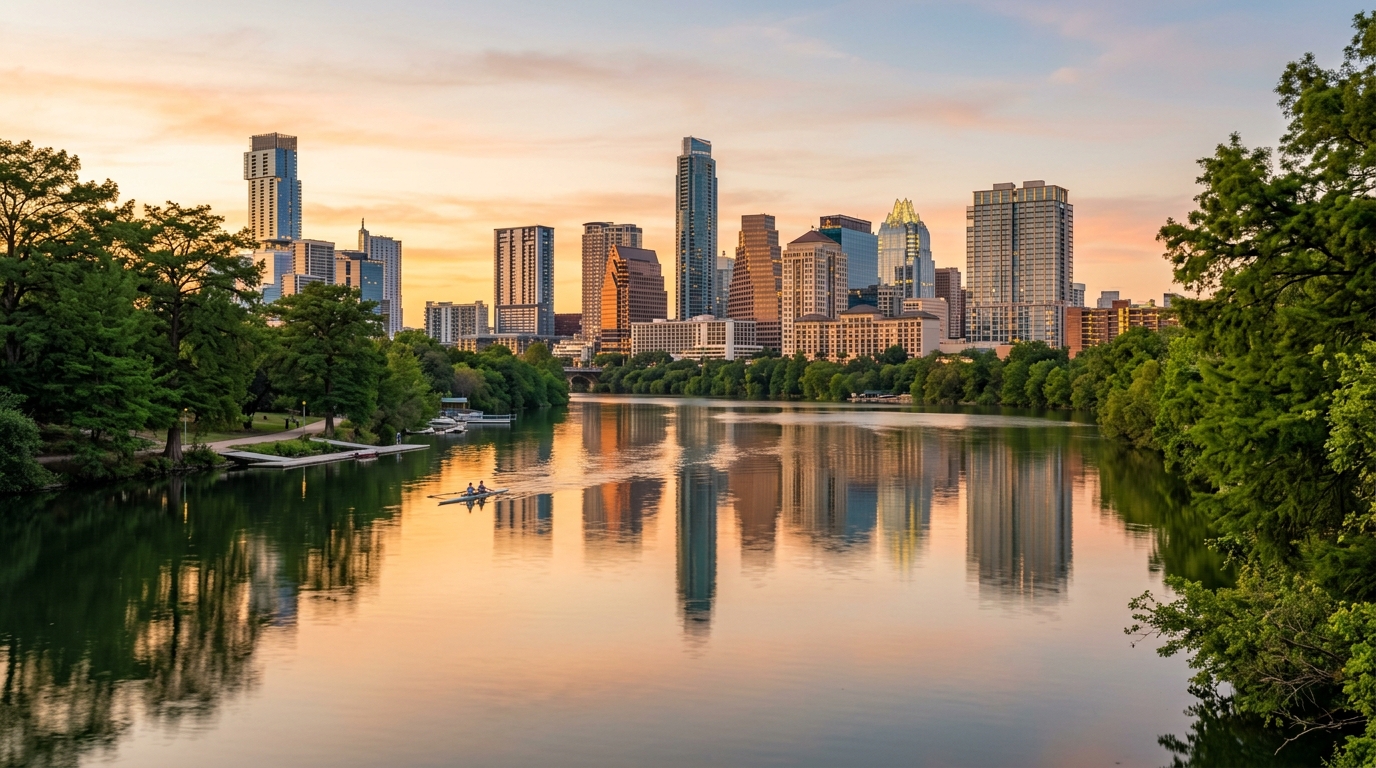
Texas enforces a mandatory 48-hour waiting period before cremation. Texans can designate an authorizing agent via statutory Form 711.002.
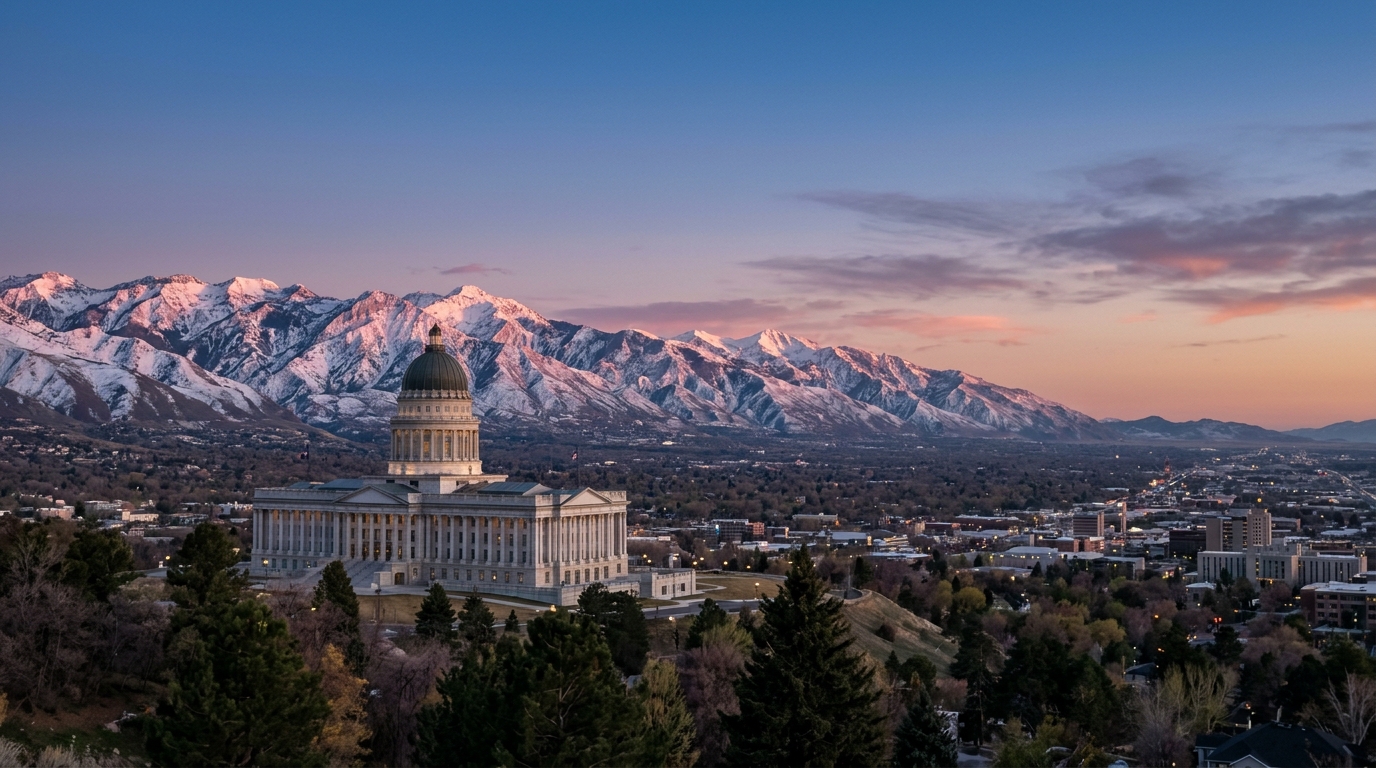
Utah mandates a 24-hour cooling period and $0 State Medical Examiner clearance. Alkaline hydrolysis was legalized in 2018.
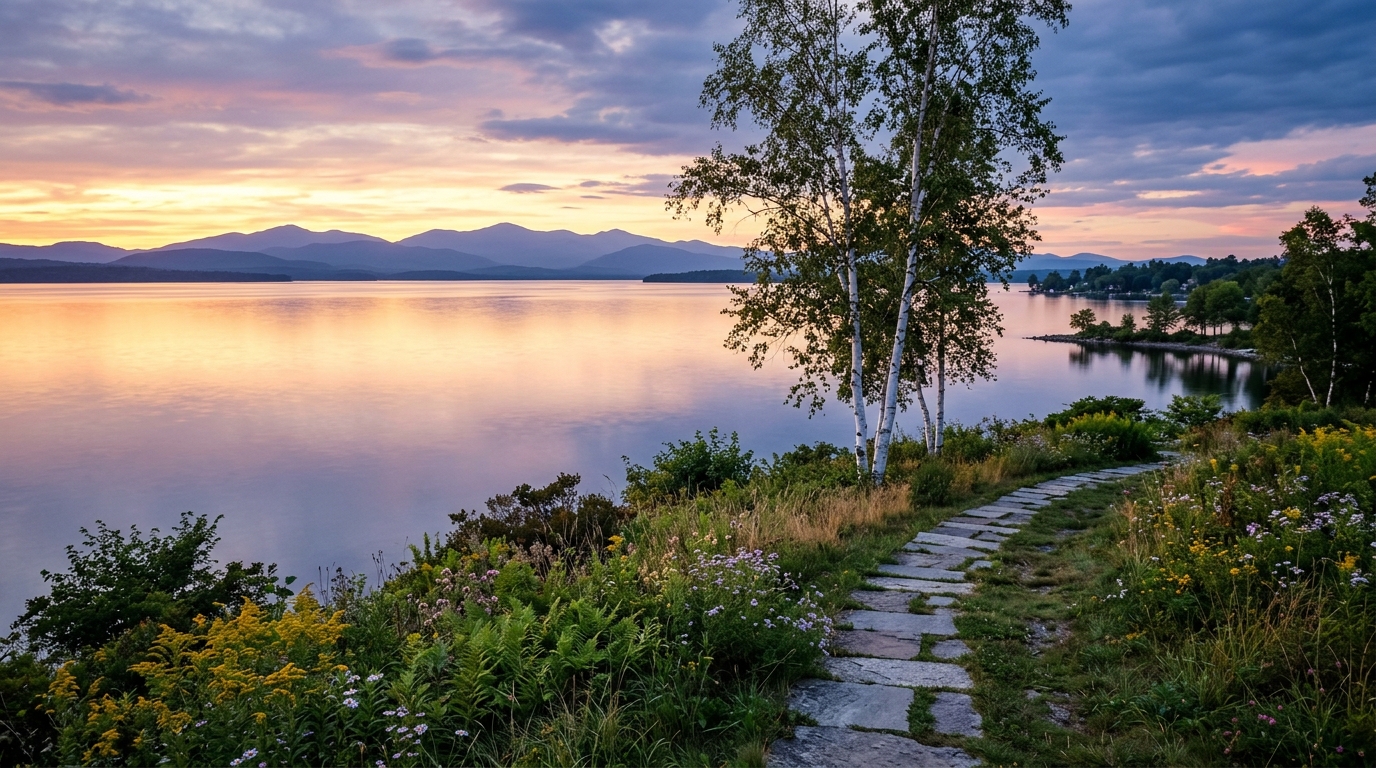
Vermont legalized alkaline hydrolysis in 2014 and human composting in 2022. State medical examiner clearance is required.
Virginia enforces a 24-hour waiting period and a $100 State Medical Examiner cremation permit fee.
Washington is the national leader in green death care, being the first state to legalize human composting in 2019 and legalizing alkaline hydrolysis in 2020.
West Virginia requires a 24-hour waiting period and county medical examiner clearance.
Wisconsin enforces a strict 48-hour cooling period and significant county coroner cremation permit fees ($100–$250).
Wyoming legalized alkaline hydrolysis in 2014. County coroner notification required for unattended deaths.
Because cremation is an irreversible physical process, state legislatures establish mandatory cooling intervals (typically 24 to 48 hours after death) to ensure the attending physician or medical examiner can complete death certification and rule out unattended foul play before disposition.
Most states require a local county coroner or medical examiner to review the death certificate and issue a formal "Cremation Clearance Permit". These government fees range from $0 (e.g. Utah, Colorado) to $200+ (e.g. Massachusetts, Wisconsin) and are pass-through cash advance charges.
Aquamation (water cremation) uses 95% water and 5% alkaline solution to gently accelerate natural organic decomposition. It uses 90% less energy than flame cremation and produces zero direct greenhouse gas emissions. 25 states in this directory explicitly authorize aquamation as a legal form of final disposition.
All 50 states and D.C. require the mandatory removal of battery-operated cardiac pacemakers and defibrillators prior to flame cremation, as intense chamber heat can cause lithium batteries to rupture. Licensed embalmers explant the small battery pack prior to placement.