Does Sunni Islam Allow Cremation?
In Sunni Islam, cremation is strictly forbidden (Haram) by unanimous scholarly consensus (Ijma). The human body belongs to Allah and retains inviolable dignity in death; burning with fire is an affront to human dignity and a punishment reserved for Allah alone. Rapid whole-body burial is an urgent religious obligation.
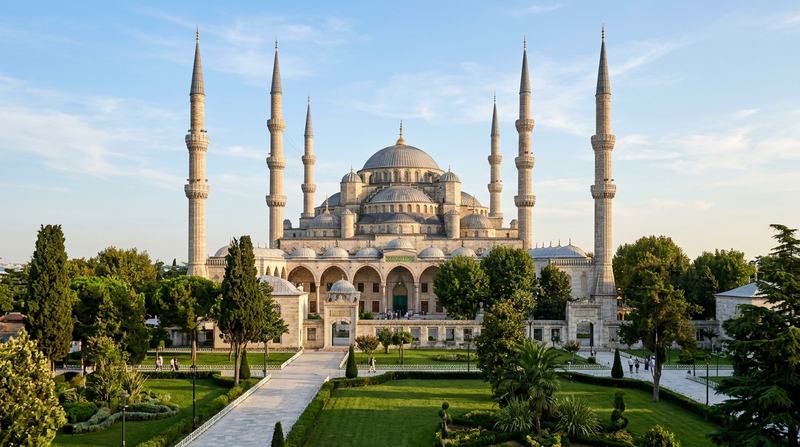
Strictly Prohibited (Haram)
Canonical classification under Sunni Islam doctrine.
Sunan Abi Dawud 3207; Sahih al-Bukhari 3016; Permanent Committee for Scholarly Research and Ifta (Fatwa #304)
Authoritative scripture, canonical codex, or council ruling.
Strictly forbidden (Haram); Islamic cemeteries refuse cremains, and Janazah prayers cannot be performed over ashes.
Prescribed treatment of cremated remains.
Strictly forbidden under Sharia, as it involves draining blood, mutilating tissues, and injecting chemicals into the deceased body, unless legally compelled by international transport laws.
Stance on chemical preservation and water cremation.
Theological Rationale & Doctrine
Islamic jurisprudence (Fiqh) teaches that the human being is the noble creation of Allah (Karamat al-Insan, Quran 17:70). The physical body does not belong to the individual or family; it is a sacred trust (Amanah). In Islamic belief, the deceased experiences sensation in the grave (Barzakh); breaking or burning the body is deemed torture. The Prophet Muhammad (peace be upon him) explicitly prohibited burning living or dead beings with fire, stating that fire is a divine punishment belonging exclusively to the Creator. Islamic law mandates that burial take place as quickly as possible, ideally within 24 hours.
Scriptural & Historical Authority
Quran 17:70, Quran 80:21 ('Then He causes him to die and puts him in a grave'), Sunan Abi Dawud 3207 ('Breaking the bone of a deceased person is like breaking it when he is alive'), Sahih al-Bukhari 3016 ('None should punish with fire except Allah').
Funeral Rites & Liturgical Rubrics
Islamic funeral rites (Janazah) follow four compulsory communal obligations (Fard Kifayah): (1) Ghusl (ritual washing with water and camphor by members of the same sex); (2) Kafan (shrouding in three plain, unstitched white cotton sheets for men, five for women); (3) Salat al-Janazah (communal standing funeral prayer without prostrations); and (4) Dafn (prompt burial directly into the earth with the body lying on its right side facing the Qiblah in Mecca, without a casket).
Rules for Ashes & Final Disposition
Because cremation is strictly prohibited, Islamic law does not recognize cremated ashes. No Muslim cemetery will accept cremated ashes for burial, and Islamic funeral prayers (Salat al-Janazah) cannot be performed over cremains.
Aquamation (Water Cremation)
Strictly prohibited (Haram). Dissolving the body in alkaline chemicals violates the physical sanctity of the deceased and fails the divine command for earth burial.
Key Points: Sunni Islam & Cremation
- Cremation is strictly forbidden (Haram) by unanimous Islamic consensus (Ijma).
- The human body is an Amanah (sacred trust) belonging solely to Allah.
- The Prophet Muhammad forbade punishment or destruction with fire.
- Ritual washing (Ghusl) and shrouding (Kafan) in plain white cloth are mandatory.
- Prompt burial in the earth facing Mecca (Qiblah) is required within 24 hours.
- Muslim cemeteries and scholars strictly reject cremated remains.
Primary Sources & Canonical Citations
Official ecclesiastical declarations, sacred texts, and formal responsa governing cremation in Sunni Islam:
“The Prophet (peace be upon him) said: 'Breaking the bone of a dead person is like breaking it while he is alive in sin.'”View Official Primary Source Document →
“Cremation of human bodies is categorically forbidden in Islam. It is an act of desecration. The deceased must be buried in the earth in accordance with the Islamic Sharia.”View Official Primary Source Document →
Frequently Asked Questions
Can a Muslim be cremated?
No. Cremation is strictly forbidden (Haram) in Islam by unanimous consensus of all Islamic scholars. Muslims must be washed, shrouded, and buried directly in the earth facing Mecca as soon as possible after death.
Why is cremation considered Haram in Islam?
Islam teaches that the body belongs to God and retains honor and feeling after death. The Prophet Muhammad taught that breaking a dead person's bone is like breaking it while alive, and explicitly declared that only God has the right to punish with fire.
Other Islam Perspectives
Compare how other traditions within the Islam family approach cremation and burial: